
LOFT CONVERSIONS
Heaton Moor
Transform Your Home With Topflite Loft Conversions Heaton Moor
Topflite Loft Conversions is a design and build company, meaning we can take care of your whole project from start to end. This makes it simpler and less stressful for you and as we specialise in loft conversions we can offer you expert advice and ensure your loft conversion is perfectly designed around your requirements and needs.
We take care of the whole process from beginning to end. It’s simpler for you as you have one point of contact. You don’t have to liaise with or source multiple contractors. We have a dedicated project manager to oversee the entirety of the work..
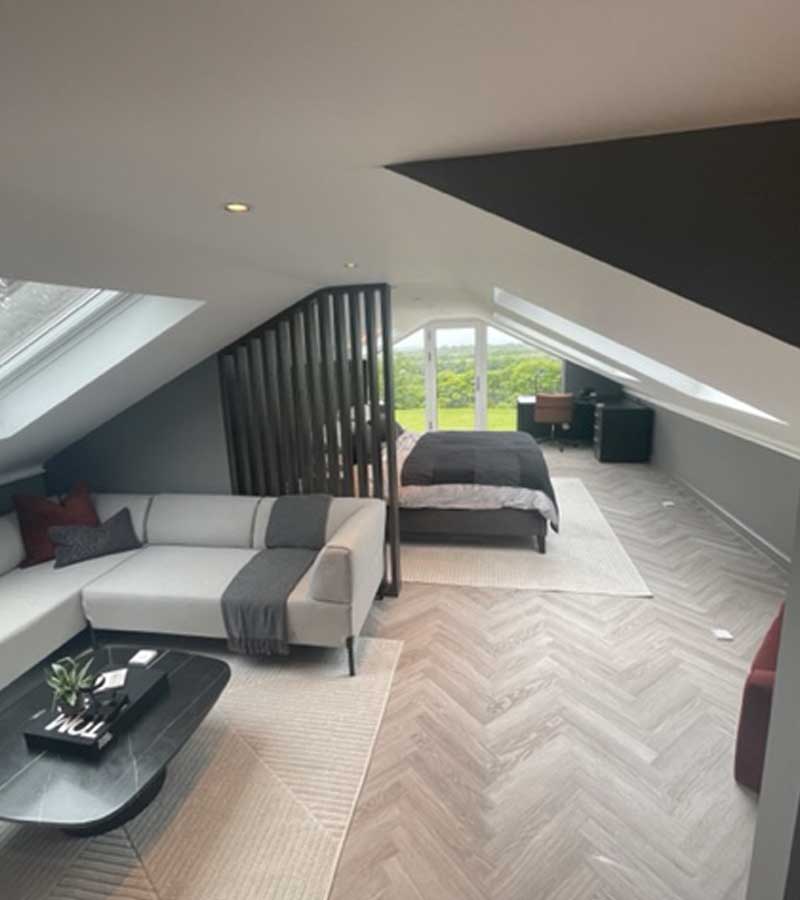
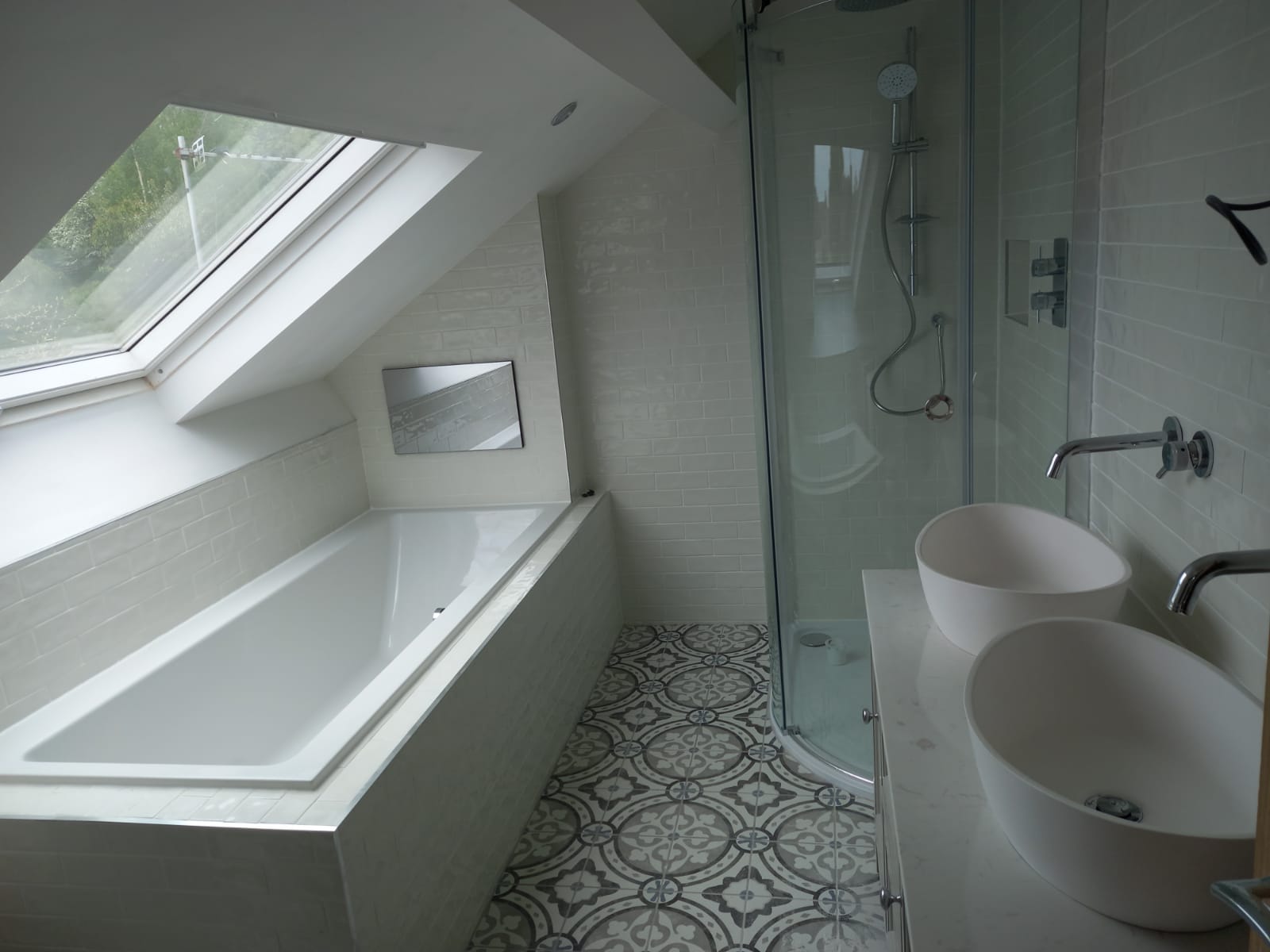
A Velux loft conversion in HEATON MOOR is when your loft conversion is formed within your existing roof space and without actually altering the profile of your existing roof. A Velux loft conversion is the cheapest / most cost effective and works best when you have ample headroom so you can make full use of all the space available. Velux loft conversions require less structural work and are not as disruptive as other forms of conversions. Installation of Velux Windows is a great focal point for the room creating masses of natural light.
Flat roof dormer loft conversions in HEATON MOOR
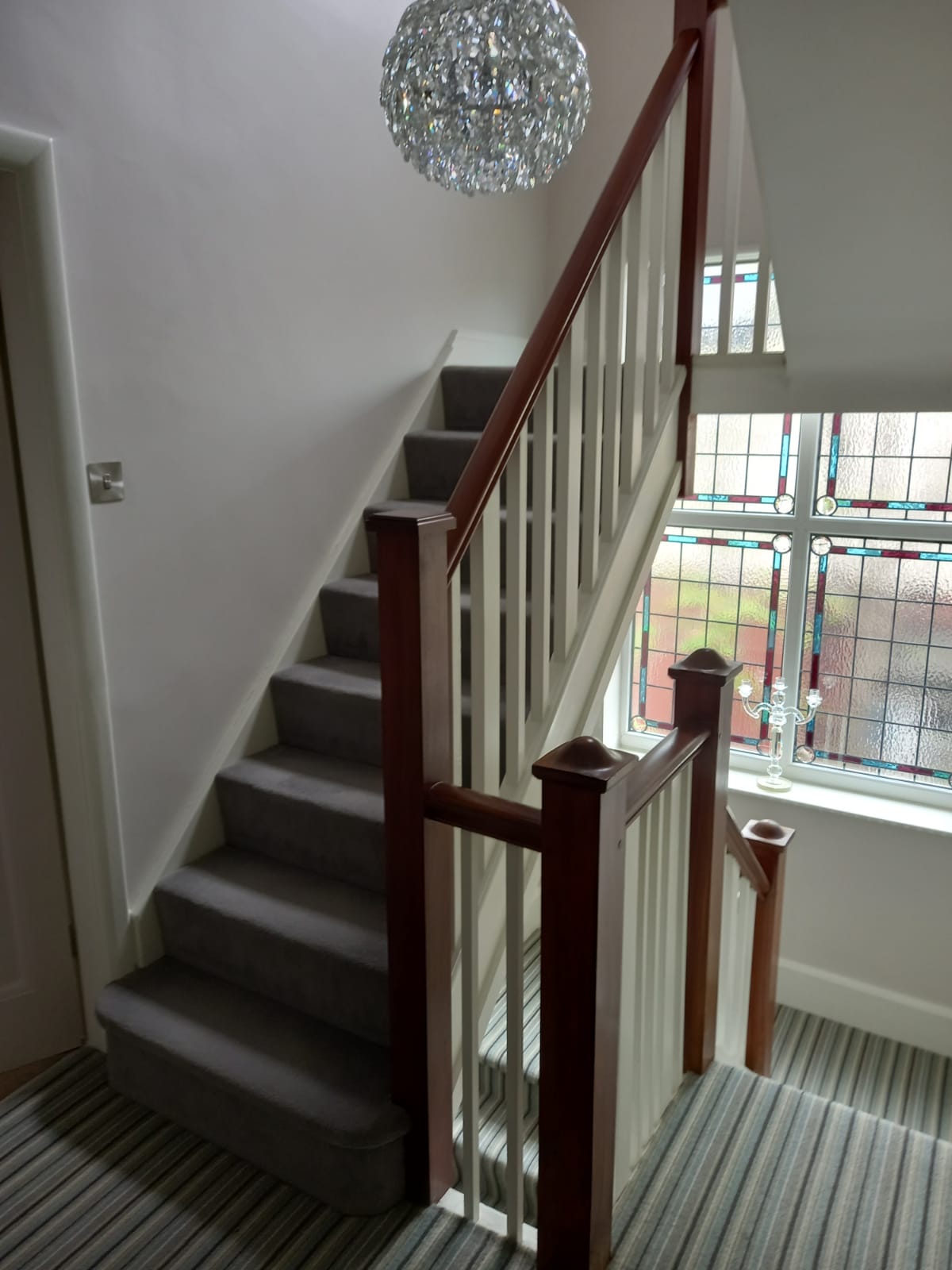
Many homes are short of space, especially in HEATON MOOR. If you’re struggling with the space you have but you’re reluctant to move, a dormer loft conversion could be the answer. The main benefit of a dormer loft is the additional headroom. Stairs can easily be added in, and there’s plenty of space for an en suite, which needs full headroom to allow for a shower. It’s one of the cheapest ways of adding the most value to your property. To create this type of loft conversion, a dormer-box type structure is added to the roof, where the walls are at a 90° angle to the floor. This allows for higher headroom, maximising the available capacity within the roof. A dormer loft conversion is versatile and will work with a variety of roof pitches and property types. It is possible to install one in many different positions: at the rear of a property, the side, the front, or on top of a flat roof.
Hip to Gable & Hip End dormer loft conversions in HEATON MOOR
This type of loft conversion extends your roof along its sloping side. The sloping side (the hip) is converted to a vertical upright wall (the gable). The roof is extended from the existing ridge, filling in the gap between them. This turns the hip into a gable to form the space in your roof for a loft conversion.
The new gable can be constructed in wood, then tiled to match the roof. Other options including rendering, or brick block pebbledash – whatever suits your tastes and your property. There’s also the option to install a window in the new gable end, bringing natural light into your loft space.
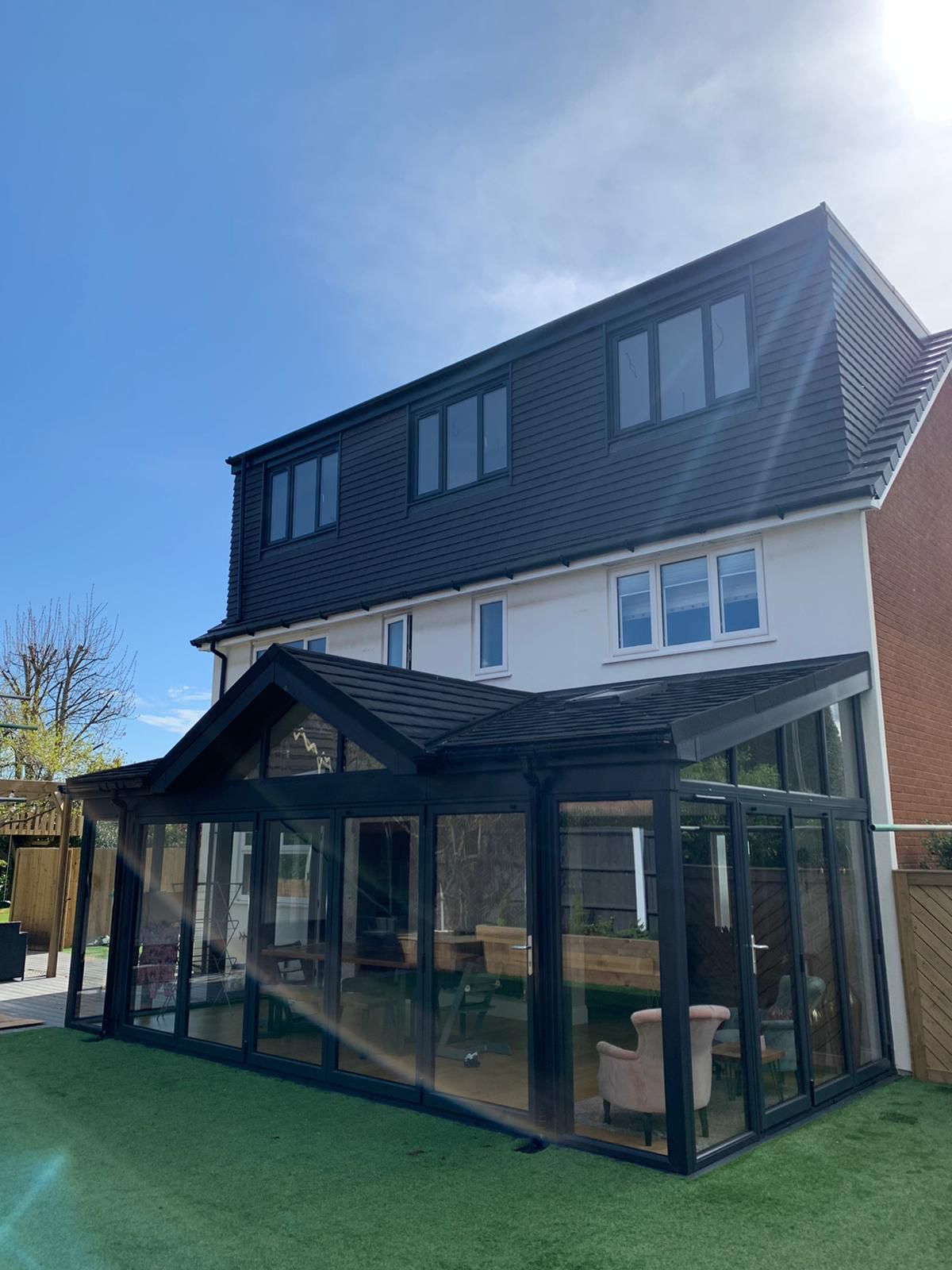
Pitched roof dormer conversion in HEATON MOOR A pitched dormer loft conversion (pitched roof dormer) is a popular choice when the height of the existing roof is sufficient enough to accommodate one. This type of loft conversion is usually regarded as one of the most aesthetically pleasing designs as it brings an extraordinary amount of character due to all the angles it creates internally.
The exterior finish of a pitched dormer conversion can either be tile hung, slate hung, rendered or cladded. If your choice is to go for tile or slate, the type will be chosen on site to ensure they match the existing roof as close as possible. Other external finishes such as fascias, soffits, gutters and windows will also be matched to the existing finishes — this way, the pitched dormer conversion will look like it was part of the original build!
BUILDING CONTROL & PLANNING APPROVAL FOR A LOFT CONVERSION IN HEATON MOOR:
The majority of loft conversions in HEATON MOOR do not require planning permission due to them falling under your Permitted Development Rights. (see below) It is important to understand Building control and Planning permission are two separate entities: A simple explanation is every loft conversion with no exception is subject to very stringent building regulations, (Building control) as undertaking a loft conversion involves structural works, building regulations are not only in place for your safety but to make sure the new structure is structurally sound and conforms to all the current regulations, building control ensures your loft conversion is built to standards laid down by the government not only for the build of the loft conversions but also to oversee and take into account insulation, plumbing, and electrics.
Planning permission makes sure no build would be out of character to the street scene or any overdevelopment is made to a site, if any part of the loft development or alteration is undertaken on the front elevation (facing a public highway) i.e. flat roof dormer, cottage dormer, eyebrow, etc, this must go through for planning permission first.
If for any reason your loft conversion in HEATON MOOR does not meet building regulations standards as an approved build, the local authority can insist to have the work’s condemned and put back to the original state before any commencement of works, It is not only the builder’s responsibility to follow the regulations but also the home owner’s.
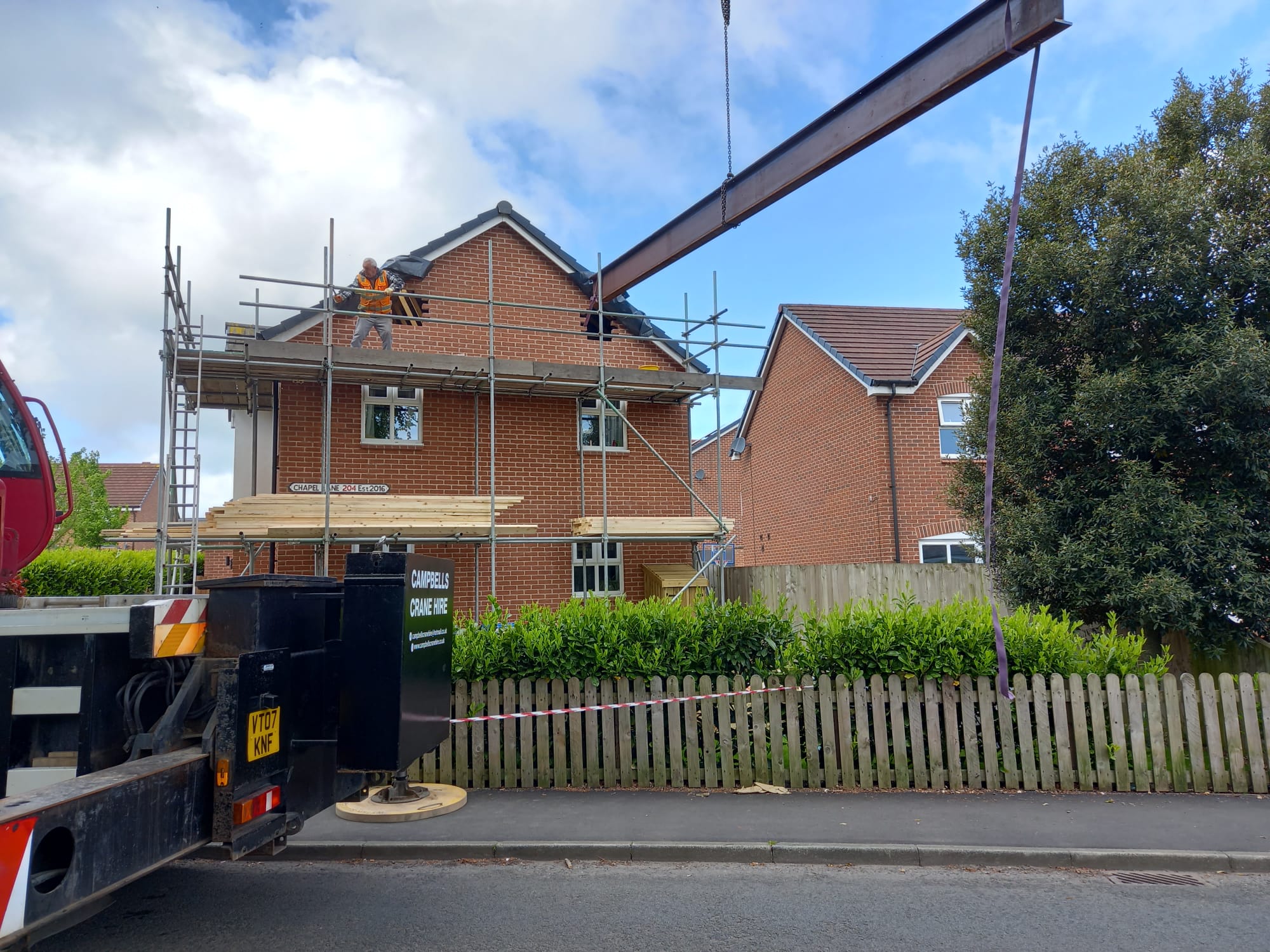
Any new structural members or alterations to an existing roof must be undertaken by a structural engineer as this ensures both the structural sufficiency and stability of the structure, formal calculations will be requested by building control in support of an application for approval.
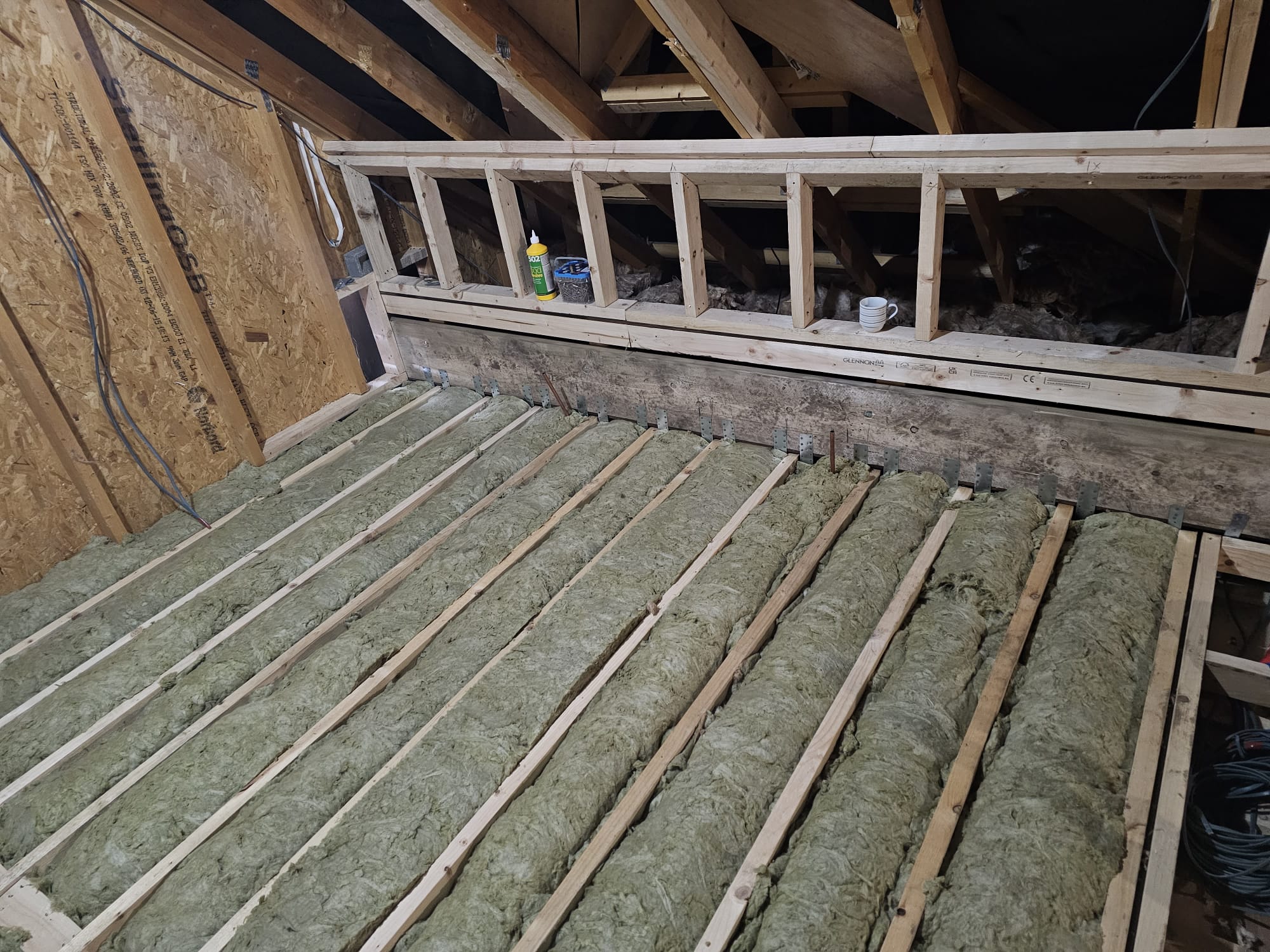
Every loft conversion undertaken is subject to building regulations, having a loft conversion is a major structural job, for example introducing new calculated floor joists, these must not exceed past the maximum span so they have the integrity of support, and you have to take in account the insulation, electrics, and plumbing. Building regulations are in place not only to make sure the new structure is structurally sound and conforms to regulation but for the safety of the workers and property owners.
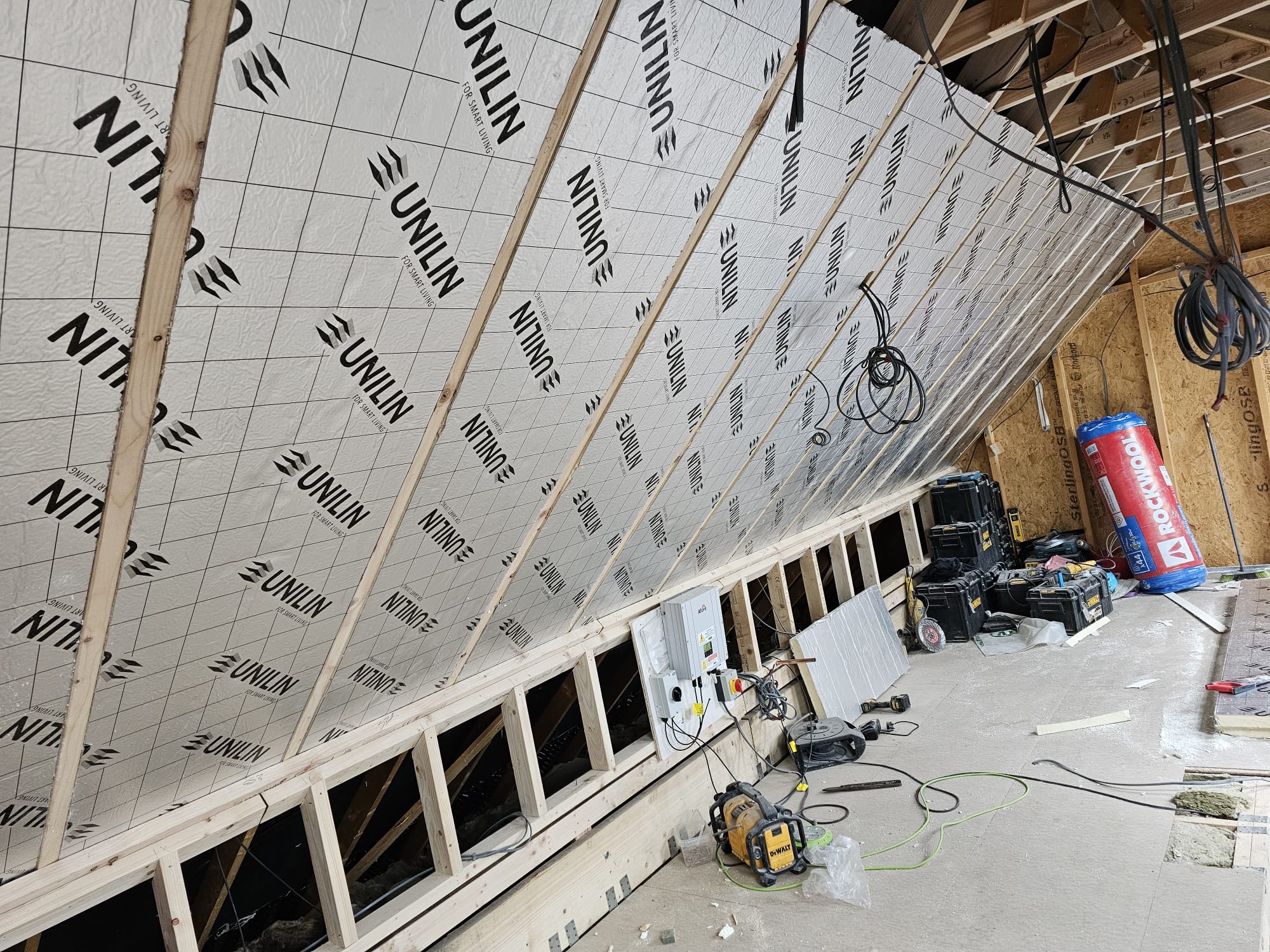
All building work, plumbing, and electrical works are checked by the building inspector to prove that it is too standard, but also it is important that you follow the building regulations have been followed throughout the build for other reasons as well. Insulation is again a major part of building control, it is good to practice to take photos throughout the build, so if let’s say you need to put the floor down in a bathroom area to set out for your ceramics, etc, if pipes or cables are now running through your floor joists taking a picture to show that all holes cut are acceptable with all cables and pipes clipped and a minimum of 50mm down from the top of the new joists a photo should be sufficient. The appointed building inspector is there for one reason only, to make sure that all works that have been carried out for your loft conversion are safe and that the materials have got the appropriate structural integrity.
If and when you ever come to sell your home and you cannot produce the correct paperwork or the approval for your loft conversion not only can it decrease the value of the property, it will probably put off potential purchases from buying your house.
Your loft conversion can look good from the outside and inside, but it if doesn’t meet building regulations as an approved extension in the eyes of a surveyor the work will be condemned, by not going through the proper channels you will end up paying dearly for it in the long run. It is not only the builder’s responsibility to follow the regulations but the home owner’s as well, heavy fines can be imposed on both parties, not only that, they will also require your loft conversion to be pulled down and put back to the original condition.
request a free quote
Complete this form and we’ll contact you to arrange a free consultation: